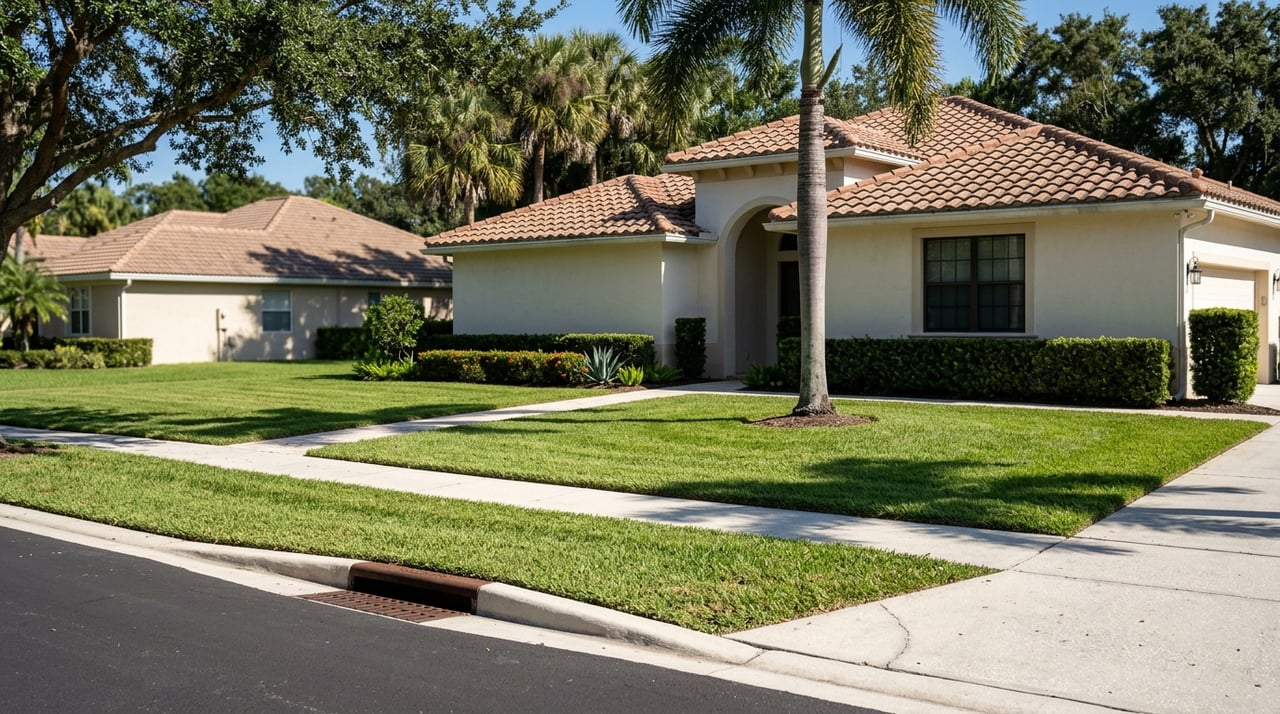
Thinking about a move to Northwest Broward? It can look simple on a map, but Coral Springs, Parkland, and Coconut Creek each offer a very different day-to-day experience. If you want to narrow your search with more confidence, this guide will help you compare housing, commute patterns, amenities, and overall feel so you can focus on the suburb that fits you best. Let’s dive in.
Why Northwest Broward Stands Out
Northwest Broward appeals to many relocators because it offers a suburban setting with established neighborhoods, inland locations, and a range of housing choices. Within this part of the county, Coral Springs, Parkland, and Coconut Creek are often compared together, but they are not interchangeable.
Coral Springs is the largest and most built-out of the three. Parkland is quieter and more focused on single-family living. Coconut Creek blends suburban neighborhoods with mixed-use destinations and local shuttle options, which gives it a slightly different rhythm.
Compare the Three Cities
If you are relocating from outside the area, it helps to start with the big picture. These three cities sit close to one another, but their size, housing mix, and pricing signals vary quite a bit.
| City | Population | Mean Commute | Owner-Occupied Rate | Median Owner-Occupied Value* |
|---|---|---|---|---|
| Coral Springs | 138,783 | 29.9 minutes | 60.3% | $545,400 |
| Parkland | 34,670 | 32.5 minutes | 85.1% | $983,000 |
| Coconut Creek | 59,721 | 29.6 minutes | 64.8% | $309,600 |
*These figures are Census estimates for owner-occupied housing units and work best as broad comparison points, not as live pricing.
At a glance, Coral Springs sits in the middle on value and offers the broadest suburban base. Parkland trends higher and more owner-occupied, which lines up with its lower-density, single-family orientation. Coconut Creek shows the lowest owner-occupied value estimate of the three and tends to offer more variety in housing type.
Coral Springs: Established and Amenity-Rich
Coral Springs is often the easiest fit for buyers who want a well-established suburb with a broad mix of homes, services, and recreation. It has 138,783 residents, making it the largest of these three Northwest Broward cities, and its planning materials point to a housing mix that includes detached single-family, cluster, and multi-story forms.
That mix matters if you want options. In practical terms, Coral Springs gives you a wider spread of property types than Parkland, including neighborhoods with single-family homes along with townhome and condo inventory in selected areas.
What daily life looks like in Coral Springs
Coral Springs reads as the most commercially developed and amenity-dense of the group. The city maintains 49 parks, and its Aquatic Complex draws more than 600,000 visitors per year. Parks and Recreation also manages sports leagues, summer camps, a tennis center, and a community shuttle.
For many relocators, that means more convenience built into everyday life. You are more likely to find a balance of neighborhood living, recreation, and access to shopping or employment corridors without feeling far removed from services.
Getting around from Coral Springs
Most travel here is still car-based, like much of this part of Broward County. At the same time, Coral Springs has one of the clearest local shuttle structures in the area, with free Blue and Green routes that include stops such as Coral Square Mall, Sample Road and University Drive, and Sawgrass Expressway and Coral Springs Drive.
Its mean commute is 29.9 minutes, according to Census data. The city also has a large commerce park off Sawgrass Expressway, which adds to its appeal for buyers who want suburban housing with practical access to major roads and work destinations.
Parkland: Quiet and Single-Family Focused
Parkland stands out for buyers who want a quieter setting and a more estate-like suburban feel. The city had 34,670 residents in the 2020 Census, which makes it much smaller than Coral Springs, and its housing pattern is the clearest single-family market of the three.
The city’s comprehensive plan lists 3,924 single-family units and 722 multiple-family units. That supports what many relocators notice right away: Parkland feels more residential, more spread out, and less mixed in its housing stock.
What daily life looks like in Parkland
Parkland’s appeal leans heavily on open space, trails, recreation, and a slower pace. The city lists 11 parks and trail networks, and the Equestrian Center at Temple Park hosts horse riding and the Parkland Farmers’ Market. The Parkland Recreation and Enrichment Center and the Parkland Library add to that civic infrastructure.
If you picture your next move including more space and a quieter environment, Parkland may rise to the top quickly. Official city materials also describe a community that retained a rustic, country character even as it grew, which helps explain its distinct identity within Broward County.
What to expect for commuting in Parkland
Parkland stretches west from State Road 7/US-441 toward the Everglades and north from Sawgrass Expressway to Loxahatchee Road. That geography helps explain why the city often feels more removed from commercial activity and why day-to-day travel is more road-based.
Its mean commute is 32.5 minutes, the longest of the three cities in this comparison. If you are considering Parkland, it is smart to think carefully about your work routine, regular drive times, and how often you want nearby mixed-use conveniences.
Coconut Creek: Mixed-Use and Flexible
Coconut Creek often appeals to buyers who want suburban living with a bit more variety and connectivity. The city has 59,721 residents, and its housing options span apartments, condos, single-family homes, townhomes, and villas.
That broader inventory mix makes Coconut Creek a practical option if you want more flexibility in both property type and price point. It can also be a useful middle ground if Parkland feels too single-family oriented and Coral Springs feels larger than what you want.
What daily life looks like in Coconut Creek
Coconut Creek combines residential neighborhoods with a more curated mixed-use identity. City materials highlight MainStreet and the Promenade, along with destinations like Butterfly World. The city also lists 18 parks and 9 greenways.
This creates a suburban environment that still feels connected to activity centers. For some buyers, that means a lifestyle with neighborhood comfort plus easier access to dining, entertainment, parks, and civic destinations.
Mobility and local transit in Coconut Creek
Coconut Creek is the most explicit of the three cities about multimodal mobility. The city says it is working to reduce reliance on single-occupancy vehicles, and its transportation pages highlight free shared-ride options such as the Butterfly Express Shuttle Service and the Coconut Creek Community Bus Service.
Those services connect neighborhoods with destinations including Promenade at Coconut Creek and Tradewinds Park. The city’s mean commute is 29.6 minutes, which is close to Coral Springs, but the local mobility options may make daily routines feel a little more flexible depending on where you live.
How Housing Choices Differ
One of the biggest relocation questions is simple: what kind of home can you realistically target in each city? While live market inventory changes all the time, the research shows clear differences in housing patterns.
Coral Springs offers the broadest housing mix of the three. Parkland is the most single-family oriented and low-density. Coconut Creek sits in the middle, with a wider range of housing products that can appeal to buyers at different stages of life.
Use values as broad signals
The Census owner-occupied value estimates reinforce that ladder. Coconut Creek comes in at $309,600, Coral Springs at $545,400, and Parkland at $983,000.
These numbers should not be treated as current asking prices, but they are useful as relative signals. In broad terms, Parkland tends to sit highest, Coral Springs occupies the middle, and Coconut Creek offers the lowest of the three comparison points in this data set.
Which Northwest Broward Suburb Fits You?
If you want the broadest suburban middle, Coral Springs is often the best place to start. It combines size, amenities, housing variety, and practical access in a way that works for many different relocation goals.
If your priority is a quieter setting with a stronger single-family focus, Parkland may feel like the clearest fit. It offers a more low-density environment, more open-space appeal, and a distinct residential character.
If you want more flexibility in home type, a mixed-use environment, and stronger city emphasis on local shuttle and shared-ride options, Coconut Creek deserves a close look. It offers a suburban lifestyle with a slightly more connected and varied feel.
A Smarter Way to Narrow Your Search
When you are relocating, choosing the right suburb is about more than price or square footage. You also need to think about commute patterns, housing types, park access, and how you want your daily routine to feel once the move is done.
That is where local guidance can make a big difference. A suburb that looks perfect online may feel too busy, too spread out, or too limited in housing type once you understand the details, and the right match usually becomes clearer when you compare the cities side by side.
If you are planning a move to Broward County and want practical guidance on Coral Springs, Parkland, Coconut Creek, or nearby communities, Laura Sanders can help you narrow the options and move forward with confidence.
FAQs
What is the difference between Coral Springs, Parkland, and Coconut Creek?
- Coral Springs is the largest and most built-out, Parkland is the quietest and most single-family focused, and Coconut Creek offers a more mixed-use setting with a wider range of housing types and local shuttle options.
Which Northwest Broward city has the most single-family feel?
- Parkland has the clearest single-family orientation, with city planning data showing far more single-family units than multiple-family units.
Which Northwest Broward suburb offers the most housing variety?
- Coral Springs offers the broadest housing mix, while Coconut Creek also provides a diverse range that includes condos, townhomes, villas, apartments, and single-family homes.
How do commute times compare in Coral Springs, Parkland, and Coconut Creek?
- Census data shows mean commutes of 29.9 minutes in Coral Springs, 32.5 minutes in Parkland, and 29.6 minutes in Coconut Creek.
Does Northwest Broward have local shuttle service?
- Yes. Broward County Transit serves Coral Springs and Coconut Creek through community shuttle service, and both cities also highlight free local shuttle or community bus options.
Which Northwest Broward city may offer a lower entry point based on Census housing estimates?
- In the Census owner-occupied value estimates cited here, Coconut Creek shows the lowest figure of the three, followed by Coral Springs, with Parkland highest.